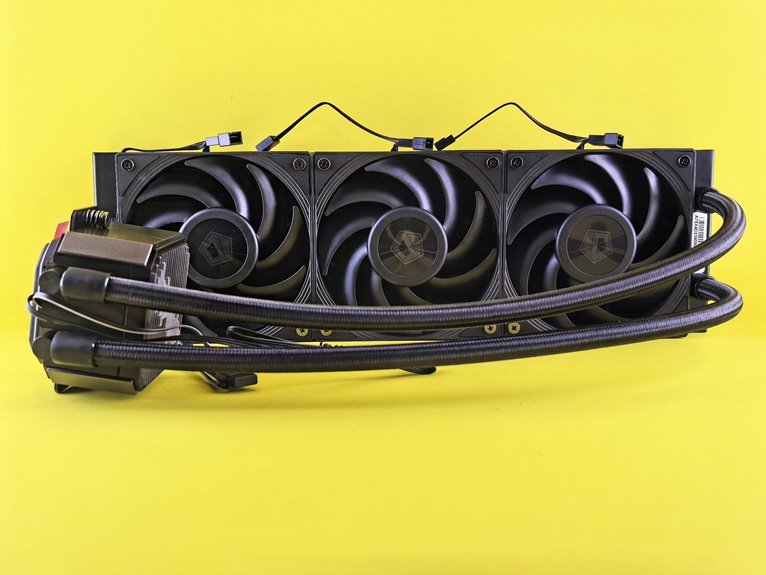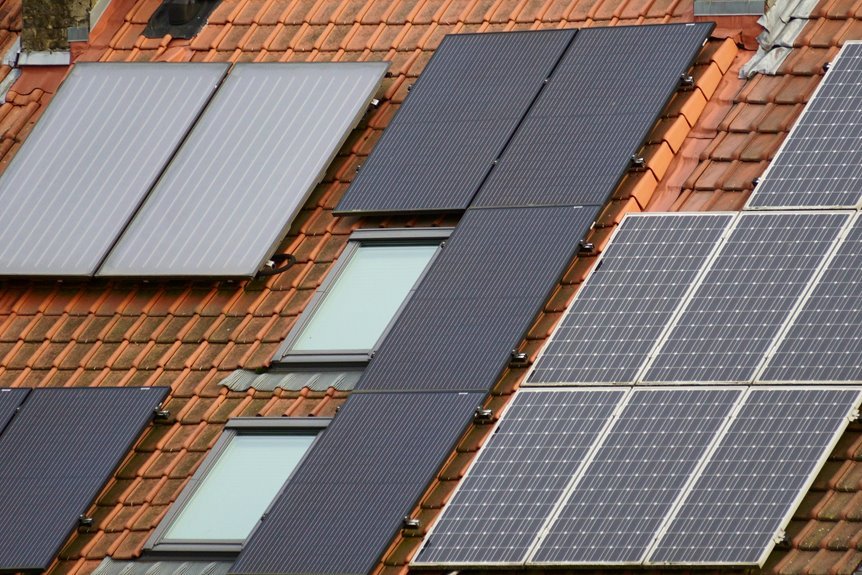
High Efficiency Systems 935505130 Solutions integrate advanced technology to enhance energy efficiency across various infrastructures. Their design accommodates both residential and commercial needs, facilitating significant cost savings. Additionally, these systems provide users with real-time monitoring tools that support informed decision-making. The implications of such systems on operational sustainability warrant further exploration, particularly regarding their long-term benefits and practical applications in diverse settings.
Key Features of High Efficiency Systems 935505130
High efficiency systems are characterized by several key features that enhance their performance and operational effectiveness.
These systems leverage technology advancements to optimize energy consumption, resulting in significant energy savings.
Enhanced monitoring capabilities allow for real-time adjustments, while improved materials increase durability and efficiency.
Collectively, these features not only reduce operational costs but also empower users with greater control over their energy usage, promoting autonomy.
Benefits of Implementing High Efficiency Systems
Implementing high efficiency systems yields numerous advantages that extend beyond mere energy savings.
These systems significantly reduce operational costs while minimizing the environmental impact, thus fostering sustainability. Enhanced performance metrics result in optimized resource utilization, contributing to reduced carbon footprints.
Consequently, organizations can achieve greater autonomy in energy management, aligning economic benefits with ecological responsibility, ultimately promoting a more sustainable future for all stakeholders involved.
Practical Applications for Residential and Commercial Use
While many organizations recognize the importance of high efficiency systems, their practical applications in both residential and commercial settings are critical for maximizing benefits.
These systems not only ensure substantial energy savings but also enhance system compatibility across various infrastructures.
Implementing high efficiency solutions effectively can lead to optimized energy consumption, reduced operational costs, and improved sustainability, empowering users to make informed choices.
How to Choose the Right High Efficiency System for Your Needs?
Selecting the appropriate high efficiency system requires a careful assessment of specific needs and operational contexts.
Critical factors include energy consumption, which directly impacts operational costs, and system compatibility with existing infrastructure.
Evaluating these parameters ensures optimal performance, longevity, and user satisfaction.
Ultimately, a thorough analysis facilitates informed decision-making, aligning technology choices with both efficiency goals and individual requirements for autonomy and efficacy.
Conclusion
In conclusion, the potential of High Efficiency Systems 935505130 is vast, yet the impact of their adoption remains to be fully realized. As users weigh the advantages against initial investments, they stand at a crossroads—will they embrace a future defined by enhanced sustainability and cost efficiency, or linger in traditional practices? The choice is crucial, as the path taken could dictate not only individual operational success but also the broader implications for environmental stewardship.