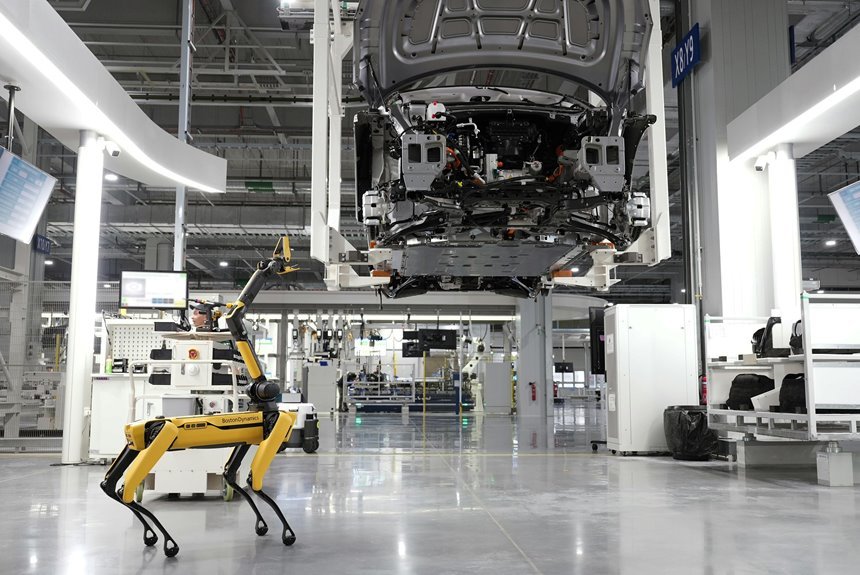
The Smart Automation System 1159653175 exhibits notable performance metrics through its robust integration capabilities and customization options. This system enhances operational efficiency by automating repetitive tasks, thereby reducing the potential for human error. Its adaptability to user feedback ensures continuous improvement, yet questions remain regarding its effectiveness across diverse industries. Understanding these dynamics could reveal critical insights into its overall impact on resource management and decision-making processes.
Key Features of Smart Automation System 1159653175
The architecture of a Smart Automation System is characterized by several key features that enhance operational efficiency and flexibility.
Advanced integration capabilities allow seamless connectivity between various devices and platforms, facilitating data exchange.
Furthermore, user customization options empower individuals to tailor system functionalities according to specific needs, promoting a sense of autonomy and adaptability in operational environments, thus enhancing overall performance and user satisfaction.
How Does It Improve Efficiency and Reduce Costs?
Smart Automation Systems significantly enhance operational efficiency and reduce costs through their streamlined processes and optimized resource management.
By automating repetitive tasks, these systems minimize human error and accelerate workflow, resulting in significant cost savings.
Furthermore, data-driven decision-making fosters improved allocation of resources, enabling organizations to operate at peak efficiency while driving down operational expenses, ultimately promoting sustainable growth.
Real-World Applications Across Various Industries
Automation technology has permeated various industries, showcasing its versatility and effectiveness in enhancing operational processes.
In manufacturing optimization, automated systems streamline production lines, reducing waste and increasing throughput.
Simultaneously, healthcare automation improves patient management and data accuracy, facilitating timely interventions.
These applications not only elevate efficiency but also empower professionals, allowing them to focus on strategic decision-making instead of mundane tasks.
User Feedback and Performance Metrics
User feedback serves as a critical component in assessing the effectiveness of automation systems across various sectors.
Analyzing user experiences reveals valuable insights into system performance and areas for improvement. Performance metrics, such as response times and error rates, directly correlate with user satisfaction.
Continuous evaluation of these factors ensures that automation systems evolve to meet user needs while enhancing operational efficiency.
Conclusion
In a world increasingly reliant on technology, the Smart Automation System 1159653175 stands out as a beacon of efficiency and user satisfaction. Ironically, as it automates repetitive tasks and streamlines processes, it frees human professionals to engage in more strategic decision-making—tasks that, one might argue, could have been automated as well. Thus, while the system reduces human error, it simultaneously highlights the paradox of a workforce still tethered to the complexities of high-level decision-making.